
There is something beautifully romantic about Portugal in winter. Imagine wandering through Lisbon’s colorful streets beneath soft afternoon sunshine, watching the Douro River sparkle beside Porto’s historic buildings, or enjoying a quiet seaside lunch along the Algarve’s dramatic coastline.
The summer crowds have faded, the cafés feel wonderfully cozy, and Portugal takes on a slower, more peaceful atmosphere.
But packing for Portugal in winter can be a little more complicated than you might expect.
One day, you may be exploring Lisbon in a light jacket beneath blue skies. Another day, you could be navigating rainy streets in Porto, enjoying the mild subtropical climate of Madeira, or visiting a mountain village where temperatures are much colder.
The secret is not filling your suitcase with heavy winter clothing. It is choosing comfortable layers, reliable rain protection, practical walking shoes, and versatile pieces that work together.
Whether you are planning a two-week holiday or spending a month exploring Portugal, this complete winter packing guide will help you prepare for sightseeing, beautiful evenings out, coastal excursions, unexpected showers, and everything in between.
What Is Portugal Like in Winter?
Winter in Portugal runs from December through February, but the weather can vary considerably depending on which parts of the country you visit.
Lisbon, Sintra, and the central coast: Lisbon generally experiences mild winter afternoons, often around 14–16°C (57–61°F), although rainy days, Atlantic winds, and cooler evenings are common. Sintra can feel noticeably cooler and damper, particularly around its wooded hills and historic palaces.
Porto and northern Portugal: Expect cooler, wetter conditions. Porto typically experiences winter daytime temperatures around 13–15°C (55–59°F), but frequent rain and damp weather make a waterproof jacket and comfortable shoes particularly important. Inland northern destinations and the Douro Valley can become considerably colder at night.
The Algarve: Southern Portugal usually enjoys some of the mildest mainland winter weather, with typical daytime temperatures around 15–17°C (59–63°F). Sunny afternoons can feel lovely for coastal walks, outdoor lunches, and exploring seaside towns, although evenings are cooler and swimming in the Atlantic is generally chilly.
Alentejo and inland Portugal: Inland areas can experience greater temperature differences between daytime and nighttime. Frost and near-freezing temperatures are possible, particularly in higher or more exposed locations.
Madeira: Portugal’s subtropical island is a wonderful winter destination, with coastal temperatures often around 18–21°C (64–70°F). However, mountain areas can be considerably cooler, and rain, wind, and rapidly changing weather are important considerations.
The Azores: These Atlantic islands experience relatively mild temperatures, but winter can be wet, windy, and changeable. Waterproof outerwear and layers are more useful than extremely heavy coats for most lower-elevation sightseeing.
Serra da Estrela and other mountain areas: Portugal does experience genuine winter conditions at higher elevations, including snow, ice, and freezing temperatures. Travelers visiting snowy mountain destinations will need additional cold-weather equipment.
For most travelers exploring Portugal’s cities and coastal destinations, a flexible wardrobe of lightweight-to-medium winter layers is the best approach.
You do not need to prepare for an Arctic expedition, but you should not assume that every winter day will be warm and sunny.

Who This Winter Packing List Is For
This guide is designed for:
- Season: Winter in Spain — December, January, and February
- Luggage style: carry-on + personal item only
- Couples, solo travelers, friends, and families
- Two-week holidays through month-long stays
- City sightseeing, historic towns, museums, restaurants, beaches, and day trips
- Travelers visiting mainland Portugal, Madeira, or the Azores
- Travelers using trains, public transportation, rental cars, ferries, or a combination
- Anyone who prefers comfortable, coordinated outfits rather than excessive luggage
- Travelers willing to repeat clothing and do a little laundry when necessary
The quantities below are designed around approximately two weeks of clothing that can be rotated for longer trips.
For most Portuguese winter destinations, you will get more value from a dependable rain jacket and versatile layers than several bulky winter coats.
Wearing your heaviest shoes and outerwear during travel can also save valuable suitcase space.
Universal Travel Essentials
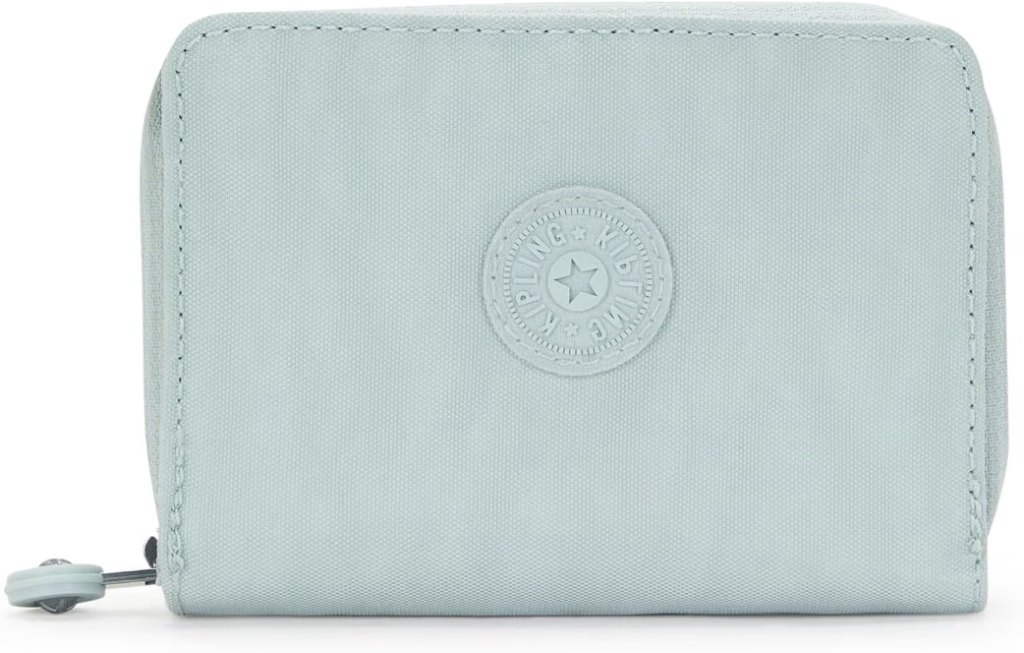
Before choosing sweaters and jackets, make sure your important travel essentials are covered.
- Passport
- Visa or other entry documents required for your nationality and travel dates
- Digital and printed copies of your passport
- Digital and printed copies of any visa or entry approval
- Wallet
- Credit and debit cards
- Euros
- International driver’s permit if required
- Travel insurance information
- Flight confirmations
- Hotel and apartment confirmations
- Train, ferry, rental car, transfer, or tour confirmations
- Reservation screenshots available offline
- Accommodation names, addresses, and phone numbers saved on your phone
- Prescription medication list
- Emergency contact information
- Writing pen for travel forms or other paperwork
Luggage and Organization
- Carry-on suitcase
- Personal item that fits beneath the airplane seat
- Compression packing cubes
- Small jewelry or accessory organizer
- Reusable shopping bag
- Luggage tag
- Wet bag for damp or messy items
- Lightweight shoe bags
- Small zippered pouch for tickets, receipts, and loose travel documents
A wet bag is particularly useful during Portugal’s winter months for storing a damp umbrella, rain-soaked jacket, muddy shoes, or anything else you do not want touching clean clothing.
Choose luggage that is easy to lift, carry, and maneuver.
Portugal’s historic towns are beautiful, but narrow streets, steep hills, stairs, uneven cobblestones, and older buildings can make oversized suitcases surprisingly inconvenient.
Lisbon and Porto are particularly known for their hilly streets, and some accommodations have small elevators or no elevators at all.
A suitcase might meet airline carry-on requirements but still be difficult to carry up several flights of stairs or pull along a steep cobblestone street.
Compression packing cubes are helpful, but do not pack so tightly that your suitcase becomes difficult to close.
Leave a little space for Portuguese ceramics, cork products, traditional tiles, leather goods, textiles, books, olive oil, cosmetics, or other lovely souvenirs you discover along the way.
Tech & Power
Portugal uses Type C and Type F plugs, with electricity supplied at 230V and 50Hz.
Travelers arriving from countries using different outlets may need a compatible plug adapter.
Remember that a plug adapter changes the physical connection, not the electrical voltage.

Pack:
- Universal power adapter
- Multi-port USB charger
- Camera
- Portable power bank
- Travel power strip
- Extra charger cables
- Earbuds or headphones for planes, trains, and long transit days
- Tech organizer case
- Cell phone — arrange international service with your provider or consider a suitable SIM/eSIM for Portugal
- If you’re packing single-voltage electronics like heating pads, hair styling tools, or an electric kettle you’ll need a step-down voltage converter if you’re traveling from a lower voltage country
- Optional: Laptop or Chromebook or Tablet (for work if you must and/or easy entertainment in your own language)
- Optional: Kindle or other e-reader (not sure if Kindle is good for you? Check out my full article about how it’s a perfect travel companion)
Important: Check that your electronics support 230V before connecting them. Many modern phone and laptop chargers support 100–240V and only need a compatible adapter. Some hair styling tools, heating pads, and other electrical appliances do not.
A voltage converter must also be suitable for the appliance’s wattage and electrical requirements. High-powered heating appliances are often easier and safer to leave at home.
For a detailed explanation, see my Portugal Outlet, Plug & Voltage Guide for Travelers.
Toiletries & Health
Portugal’s winter weather may be relatively mild, but cooler air, wind, indoor heating, and long sightseeing days can still affect your skin and comfort.
Bring your usual essentials rather than relying on finding your preferred products after arrival.
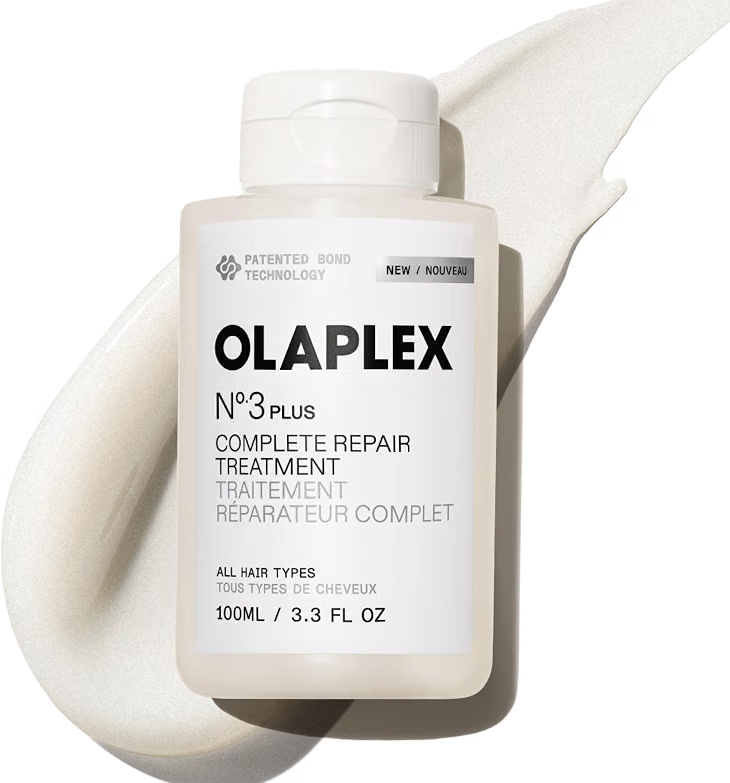
- Shampoo + Conditioner + Hair masks and /or Olaplex (these are easiest transported in cadence capsules or as solids)
- Toothbrush + toothpaste + mouthwash + floss (travel solids are easiest for these I still pack them in cadence capsules) It’s also a good idea to bring a couple of on the go toothbrushes for long travel days/flights and/or day trips to stay feeling fresh
- Body wash and face wash as well as any other regularly used shower/bath accessories like salt scrubs, bath soaks, and mud in cadence capsules
- Skincare basics for body, hands, face, and feet as well as any daily facial routines like anti-aging serums in cadence capsules
- Deodorant (body deodorant is also recommended for long flights)
- Disposable shavers are easiest to use and leave behind instead of repacking, but be sure to bring at least 1 shaver
- Personal medications with labels
- Pain relievers and any other common OTC medications you use like ant-acids, anti-diarrhea and/or constipation relief, allergy pills, and common cold medicine
- Deep blue, salon-pas, and lidocaine patches are always helpful for unexpected pain from excessive walking, sitting or other activities done while traveling and especially helpful if you’re traveling with older ones
- Blister prevention (bandages or blister pads) and a simple first aid kit
- Sunscreen
- Lip balm
- After-sun lotion
- Hand sanitizer
- Compact wet wipes
- Toiletry Case
- Feminine products, even if you only might need them
- Electrolyte packets
Sunscreen is worth packing even during winter. Portugal can experience beautiful sunny days, and coastal sightseeing, outdoor dining, hiking, and long walks can still mean considerable sun exposure.
Wind protection and moisturizer are also helpful, particularly along the Atlantic coast.
Laundry Kit
A small laundry kit can make a big difference when traveling for two weeks or longer.
The goal is not to spend your holiday washing clothes. It is to pack enough to feel comfortable without bringing an unnecessarily heavy suitcase.
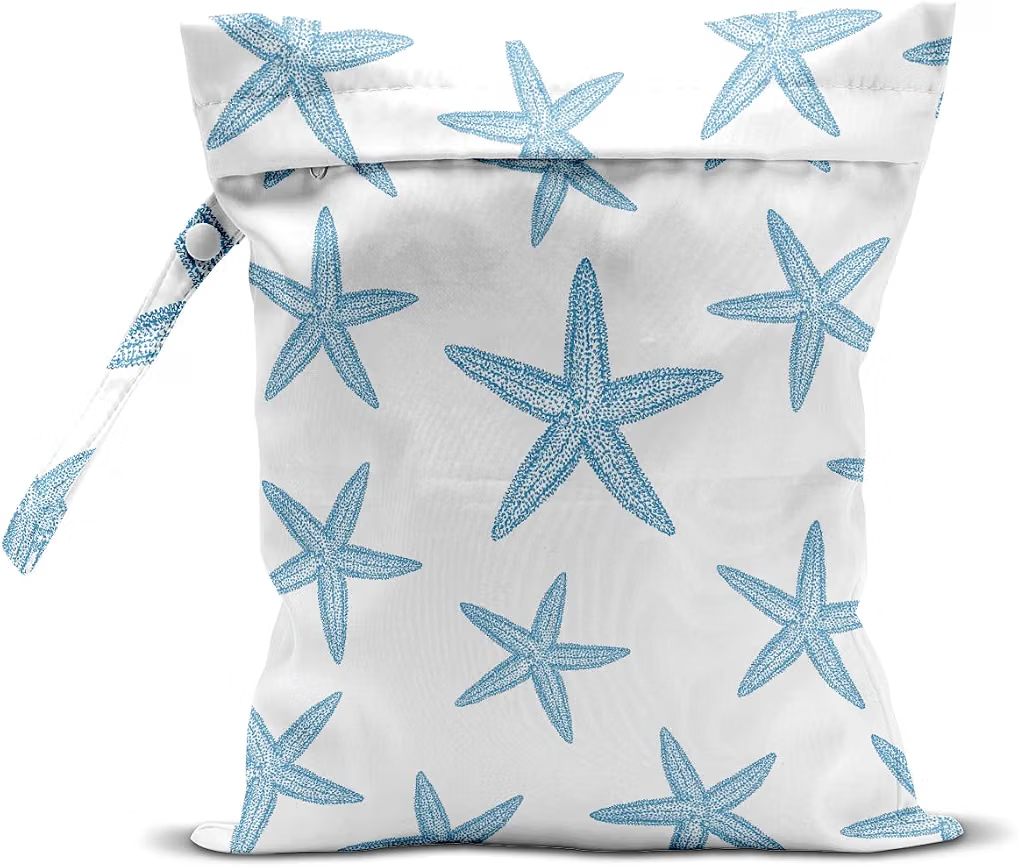
Bring:
- Travel-size laundry detergent sheets or liquid in a cadence capsule
- Sink stopper (optional, but helpful in older hotels) or mini travel washer
- A few clothespins or a lightweight travel clothesline
- Clothes refresher spray can be used daily to refresh your clothing between washes
- Small stain-removal pen or wipes
- Separate wet bag for damp clothing or swimsuits
What to Know
Winter clothing can often be worn more than once before washing, particularly sweaters, jackets, trousers, and other outer layers.
Underwear, socks, and close-fitting base layers will need more frequent attention.
For a two-week trip, a quick sink wash of smaller essentials may be enough, with one laundry stop if necessary.
For a month-long trip, approximately two full loads of laundry, along with occasional small sink washes, may be sufficient depending on your wardrobe and activities.
You can use laundromats, guest laundry facilities, in-room washing machines, or hotel laundry services whenever convenient.
One important winter consideration in Portugal is drying time.
Cooler temperatures, damp coastal air, and poorly ventilated accommodations can make thick clothing take surprisingly long to dry.
Avoid planning to sink-wash heavy jeans, sweaters, or thick cotton garments the night before changing hotels.
Instead, prioritize smaller essentials and quick-drying fabrics.
A clothes refresher spray can also help keep suitable outer garments fresh between wears without requiring unnecessary washing.
Day Bag Essentials
Winter sightseeing in Portugal often involves leaving your accommodation in the morning and spending much of the day exploring.
You may encounter sunshine, clouds, wind, and rain during the same outing.
A thoughtfully packed day bag helps you stay comfortable without constantly returning to your hotel.

Bring:
- Lightweight backpack or secure crossbody bag
- Reusable water bottle
- Compact umbrella
- Packable tote
- Small snack
- Power bank
- Tissues or handkerchief
- Wet wipes
- Hand sanitizer
- Hand cream
- Lip balm
- Light sweater or cardigan
- Packable scarf
- Gloves and a hat if going to colder/higher regions
- Sunglasses
- Sunscreen
A compact umbrella is useful for city sightseeing, particularly in Porto and northern Portugal.
However, a waterproof hooded jacket may be more practical during windy coastal weather, when umbrellas can be difficult to manage.
Choose a secure day bag that leaves your hands free for photographs, shopping, and walking through busy or uneven streets.
Jump to the Packing List You Need
Women’s Winter Packing List
The easiest way to pack for Portugal in winter is to build a small wardrobe around coordinated colors, comfortable layers, and clothing that works for both daytime sightseeing and evenings out.
Unlike destinations with consistently freezing winter temperatures, much of Portugal calls for flexibility rather than heavy insulation.
You do not need a different outfit every day.
Clothing
- 2–3 cardigans or lightweight sweaters — lightweight to medium-weight knitwear for layering
- 3–4 long-sleeve tops — comfortable for everyday sightseeing
- 1–2 thermal base-layer tops — particularly useful for colder inland destinations
- 2 pairs of comfortable pants, trousers, or jeans — comfortable, versatile, and easy to coordinate
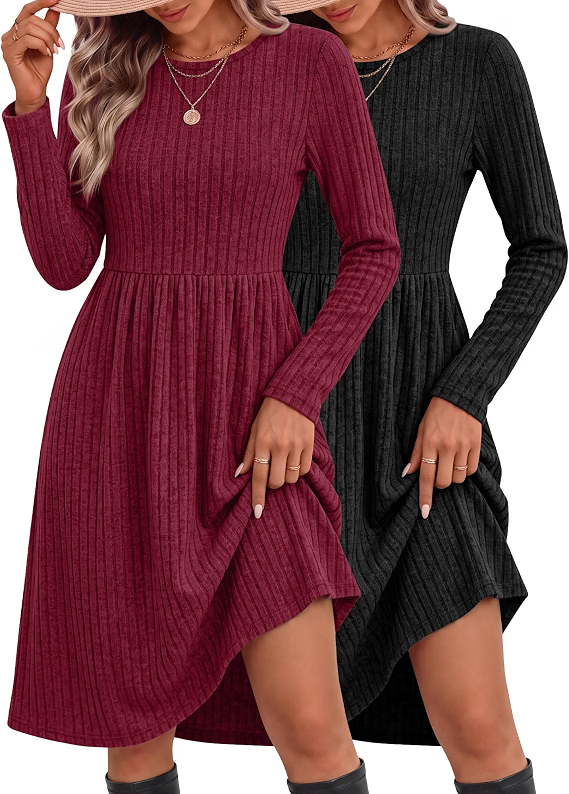
- 1–2 winter dresses — sweater dresses or other styles that work with tights and boots
- 1 skirt — optional, preferably in a heavier fabric suitable for winter
- 2–3 tights or leggings — for wearing beneath dresses or as additional warmth
- 1 packable warm jacket — insulated or wool-blend, depending on expected temperatures
- 1 packable rain jacket — especially useful for wetter destinations; a weather-resistant winter coat may serve both purposes
- 2 sleep sets or nightgowns
- 7 pairs of underwear
- 2–3 bras
- 6–7 pairs of socks, including some warmer pairs
- 1 swimsuit
- 1 swimsuit cover-up
Shoes
- 1 pair of comfortable walking sneakers — preferably water-resistant
- 1 pair of comfortable closed-toe shoes or comfortable ankle boots — suitable for long walks and cooler evenings
- 1 pair of lightweight sandals — optional for pools, hot tubs, quick outings, warmer afternoons
Accessories
- Compact crossbody bag
- Travel make-up stack, eyeliner and mascara
- Makeup remover
- Regular facial skincare
- Small hair brush
- Hair ties or clips
- Simple jewelry
- Optional lightweight scarf for wind or cooler evenings
My recommendation: Prioritize two dependable pairs of walking shoes rather than packing several pairs to coordinate with different outfits.
Portugal’s historic streets are beautiful, but walking surfaces can be uneven, steep, or slippery after rain. Comfortable footwear with proper support is particularly important.
Dresses and skirts can work wonderfully in Portugal during winter when combined with suitable tights, a cardigan, and a comfortable coat.
Choose layers that can be added or removed easily rather than relying on bulky winter clothing that may be too warm during milder afternoons.
Men’s Winter Packing List
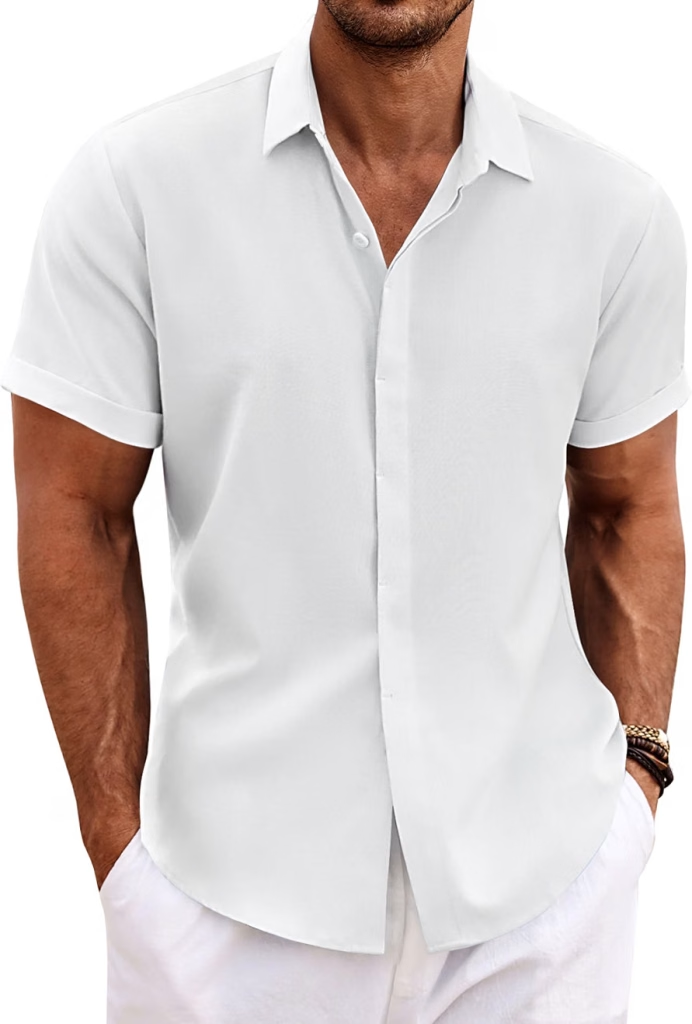
For men, a simple collection of shirts, sweaters, comfortable trousers, and a dependable outer layer will cover most winter travel in Portugal.
Focus on versatile pieces that can be mixed and matched for sightseeing, restaurants, and travel days.
Clothing
- 3–4 long-sleeve shirts — casual and versatile
- 2–3 sweaters, hoodies, or pullovers
- 1–2 thermal base-layer tops — for colder days
- 1 casual button-down shirt or overshirt — for restaurants and evenings out
- 2–3 comfortable pants, jeans, or travel trousers
- 1 warm winter coat
- 1 packable rain jacket — if the main coat is not suitable for rain
- 2 comfortable sleep sets
- 7 pairs of underwear
- 6–7 pairs of socks, including some warm pairs
- 1 pair of swim trunks
Shoes
- 1 pair of comfortable walking sneakers, ideally water-resistant
- 1 pair of casual walking boots
- Optional lightweight sandals for pools, hot tubs, quick outings, warmer afternoons
Accessories
- Small sling bag
- Belt
- Shaving kit or beard-grooming kit
- Optional lightweight scarf for cooler or windy weather
Choose sweaters that coordinate with multiple shirts and trousers rather than packing separate combinations for every day.
A medium-weight jacket with removable layers underneath will often be more practical than a very heavy winter coat, especially when traveling between northern and southern Portugal.
Girls’ Winter Packing List
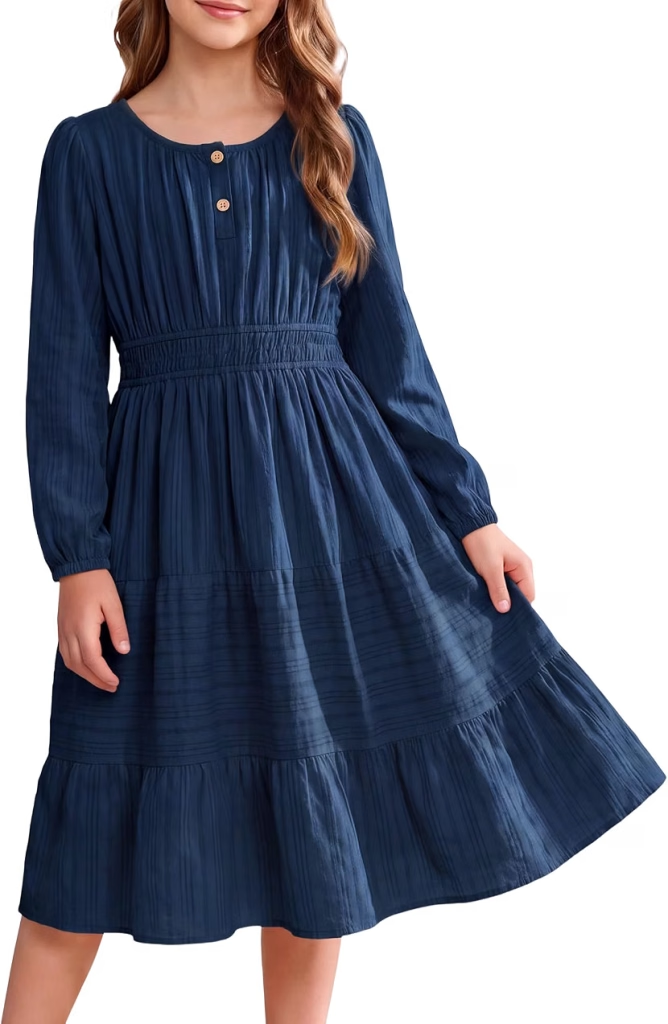
Children need clothing that keeps them comfortable during long sightseeing days while allowing enough flexibility for warmer afternoons, rain showers, and indoor activities.
For most Portuguese destinations, soft layers and reliable rain protection are more useful than packing excessive heavy winter clothing.
Clothing
- 4–5 long-sleeve tops
- 2–3 cardigan, sweater, or hoodie
- 3–4 pairs of pants, leggings, or comfortable bottoms
- 1–2 skirts or dresses, if preferred
- 2–3 tights or thermal leggings, if wearing dresses
- 1 warmer coat
- 1 packable rain jacket, if needed
- 1–2 thermal tops and bottoms for colder weather
- 7 pairs of underwear
- 6–7 pairs of socks
- 2 sets of sleep sets
Shoes
- 1 pair of comfortable walking sneakers
- 1 pair of lightweight backup shoes or water-resistant walking shoes
Accessories & Entertainment
For younger children, an extra outfit or two can be helpful.
Choose washable layers that are easy to remove when entering restaurants, shops, museums, or other heated indoor spaces.
A spare pair of socks is particularly useful during rainy sightseeing days.
Boys’ Winter Packing List
A practical winter wardrobe for boys should focus on comfort, flexibility, and clothing that can handle long days of walking and exploring.
Portugal’s mild coastal winters generally call for layers rather than heavy snow clothing.
Clothing
- 4–5 long-sleeve shirts
- 2–3 light sweater or hoodie
- 3–4 pairs of pants or joggers
- 1 warmer coat
- 1 packable rain jacket
- 1–2 thermal tops and bottoms for colder destinations
- 7 pairs of underwear
- 6–7 pairs of socks
- 2 sets of sleep sets
Shoes
- 1 pair of comfortable walking sneakers
- 1 pair of lightweight backup shoes or water-resistant walking shoes
Accessories & Entertainment
For children, comfort is more important than packing fashionable outfits that are difficult to layer or unsuitable for extended walking.
Water-resistant shoes and spare socks can make rainy sightseeing days much more comfortable.
Younger children may also benefit from an additional change of clothing.
What If You’re Visiting Madeira, the Azores, or Portugal’s Mountains?
Most of this packing list is designed for city sightseeing and general winter travel throughout mainland Portugal.
However, certain destinations and activities deserve a slightly different approach.
Madeira
Madeira is one of Portugal’s mildest winter destinations, particularly around Funchal and lower coastal areas.
If you are spending your entire holiday in Madeira, you can generally replace some heavier winter clothing with lighter pieces.
Consider bringing:
- Additional lightweight tops
- Comfortable breathable dresses, skirts, or trousers
- A light cardigan or jacket
- Comfortable walking sandals
- Swimwear for suitable coastal swimming, pools, or hotel facilities
- A lightweight waterproof or wind-resistant layer
- Sun protection
However, Madeira’s mountains are a completely different story.
Higher elevations can be significantly colder, windier, and wetter than the coast.
If you are planning mountain viewpoints, levada walks, or hiking excursions, bring suitable layers, weather protection, and footwear appropriate for the trail.
Do not assume the conditions in Funchal represent the weather throughout the island.
The Azores
The Azores generally experience mild winter temperatures, but frequent rain, wind, and quickly changing weather are important considerations.
Rather than packing a particularly heavy winter coat, prioritize:
- Waterproof hooded jacket
- Comfortable water-resistant walking shoes
- Quick-drying layers
- Lightweight sweater or fleece
- Spare socks
- Compact waterproof day bag or rain cover
- Swimwear for suitable thermal pools and hot springs
Outdoor excursions can be muddy or slippery after rain, so appropriate footwear is particularly important.
For higher-elevation hiking, check the conditions and equipment requirements for your specific route.
Serra da Estrela and Snowy Mountain Holidays
If your winter trip includes skiing, snowy hiking, or extended time in Portugal’s higher mountain areas, ordinary city winter clothing may not be enough.
You may need:
- Insulated waterproof winter coat
- Thermal base layers
- Waterproof insulated gloves
- Warm hat
- Proper winter footwear with suitable grip
- Warm socks
- Insulated trousers or other snow-specific clothing
- Activity-specific equipment
These are additions for genuinely cold or snowy destinations, rather than essentials for everyone visiting Portugal in winter.
Things Nobody Tells You About Portugal in Winter

1. Rain is often a bigger packing concern than snow
Many travelers hear the word winter and immediately think of heavy coats, thick sweaters, and snow boots.
However, for much of Portugal, damp weather is a more practical concern.
Porto and northern Portugal can experience considerable rainfall, and showers are possible throughout the country.
A dependable waterproof jacket, compact umbrella, and comfortable water-resistant shoes may be more valuable than an extremely heavy winter coat.
2. Portuguese pavements can be surprisingly slippery
Portugal is famous for its beautiful traditional stone pavements, often called calçada portuguesa.
These decorative surfaces are part of the country’s charm, but polished stones can become slippery when wet.
Lisbon’s hills, Porto’s old streets, stairs, and uneven historic walkways can also make walking more demanding than expected.
Choose shoes with good grip and proper support.
Fashionable shoes that feel comfortable for a short restaurant outing may not be suitable for hours of sightseeing on wet, uneven streets.
3. Your accommodation might feel colder than expected
Portugal has beautiful historic hotels, traditional stone buildings, and charming apartments.
However, heating arrangements and insulation can vary considerably.
Some older accommodations may feel chilly or damp during winter, even when daytime temperatures outside are relatively mild.
Tile and stone floors can also feel cold underfoot.
Comfortable sleepwear, socks, and a cardigan are useful even if you are not planning to spend much time indoors.
It is worth checking whether your accommodation has suitable heating before booking a winter stay.
4. The Atlantic wind can make mild temperatures feel cooler
Portugal’s coastline is stunning, but it can also be windy.
Clifftop viewpoints, waterfront promenades, exposed beaches, and coastal towns may feel cooler than the temperature suggests.
A light wind-resistant layer can make a big difference.
For particularly windy conditions, a hooded jacket may be more useful than relying entirely on an umbrella.
5. Winter sunshine does not necessarily mean swimming weather
Portugal can have beautiful sunny winter afternoons, especially along the Algarve and in Madeira.
But a sunny day does not automatically mean the ocean is warm enough for comfortable swimming.
The mainland Atlantic is generally cold during winter, even when beach walks and outdoor lunches are very pleasant.
Bring swimwear if your hotel has a heated pool or spa, if you are visiting suitable thermal facilities, or if swimming is a planned part of your trip.
Otherwise, there is no need to pack an entire beach wardrobe.
6. You may need fewer heavy clothes than you think
One of the easiest winter packing mistakes is bringing too many sweaters, coats, and bulky garments.
For most of Portugal, a small collection of coordinated layers provides plenty of flexibility.
A comfortable top, cardigan, and weather-appropriate jacket can work across many different conditions.
Instead of packing multiple heavy coats, choose one dependable outer layer and clothing that can be combined easily.
This keeps your luggage manageable without sacrificing comfort.
7. Winter weather can change quickly
A bright morning does not guarantee a sunny afternoon, particularly in northern Portugal, Madeira’s mountains, or the Azores.
Clouds, wind, showers, and sunshine can all be part of the same day.
Checking the forecast before leaving your accommodation is useful, but packing a light rain layer in your day bag can save you from an unexpected soaking.
Flexible clothing is much more practical than planning every outfit around perfect weather.
8. Shorter daylight hours can affect your sightseeing plans
Winter brings shorter daylight hours throughout Portugal.
That matters when planning long day trips, coastal walks, scenic viewpoints, or visits to historic towns.
You may leave your accommodation in comfortable afternoon sunshine but return after sunset when temperatures feel noticeably cooler.
Carry a layer suitable for the evening, particularly if you expect to spend the entire day away from your hotel.
9. You do not need to pack for every possible weather condition
It is tempting to bring heavy winter boots, several jackets, thick sweaters, and warm-weather clothing just in case.
However, most travelers do not need all of these items on the same trip.
Think about your actual destinations.
A winter holiday focused on Lisbon and the Algarve will require a different wardrobe from a mountain getaway in Serra da Estrela.
A visit to Madeira will also have different priorities from a rainy city break in Porto.
Packing for the places you are actually visiting is much more useful than packing for every climate Portugal has to offer.
Final Thoughts
Portugal in winter is a lovely reminder that a beautiful destination does not need perfect beach weather to feel magical.
There is something special about wandering through Lisbon’s historic neighborhoods, discovering Porto’s cozy cafés, exploring quiet seaside towns, and enjoying the gentle winter sunshine along the Algarve.
Madeira offers a completely different kind of winter escape, while the Azores reveal dramatic Atlantic scenery and wonderfully green landscapes.
And when the rain arrives, Portugal’s beautiful cafés, historic buildings, wonderful food, and relaxed atmosphere provide plenty of reasons to enjoy a slower day.
The secret to packing well is flexibility.
Bring enough warm clothing to stay comfortable, but do not let the word winter convince you to pack your entire cold-weather wardrobe.
Choose versatile layers you can combine and rewear. Prioritize comfortable walking shoes, reliable rain protection, and the everyday essentials that make travel easier.
With the right suitcase, you can spend less time worrying about what to wear and more time enjoying everything that makes Portugal so special.
From colorful cities to dramatic coastlines and peaceful winter afternoons, Portugal is a destination worth experiencing in every season.
From Tracy, With Love ♥