
Imagine escaping the cold winter weather for the turquoise waters of Cancún, relaxing beneath palm trees along the Riviera Maya, exploring ancient Mayan ruins, swimming in beautiful cenotes, or enjoying sunset dinners overlooking the Pacific Ocean.
Winter is one of the best times to visit Mexico’s tropical destinations. Cancún, the Riviera Maya, and other popular coastal destinations enjoy pleasantly warm temperatures, lower humidity, and generally drier weather without the more intense heat and humidity of spring and summer.
December, January, and February are wonderful months for beach vacations, sightseeing, outdoor adventures, cultural experiences, and exploring Mexico without constantly feeling overheated.
However, Mexico is a large and geographically diverse country. While many of its most popular vacation destinations remain warm throughout winter, inland cities can have cooler evenings, and northern Mexico and higher mountain elevations can experience genuinely cold weather.
The secret is packing lightweight, breathable clothing with a few versatile layers — without overpacking for conditions you are unlikely to encounter.
What Is Mexico Like in Winter?
Winter is generally a drier, sunnier, and more comfortable time to visit many of Mexico’s most popular destinations.
Typical winter daytime temperatures include:
- Cancún, Riviera Maya, Tulum & Cozumel: 26–29°C (79–84°F)
- Mérida & the Yucatán Peninsula: 28–31°C (82–88°F)
- Puerto Vallarta & Riviera Nayarit: 26–29°C (79–84°F)
- Los Cabos: 24–27°C (75–81°F)
- Oaxaca City: 25–28°C (77–82°F)
- Mexico City & the Central Highlands: 19–24°C (66–75°F)
Tropical coastal destinations remain comfortably warm, although occasional cold fronts can bring cooler temperatures, stronger winds, and brief periods of rain.
Inland destinations such as Mexico City, Puebla, San Miguel de Allende, and Oaxaca can have pleasant sunny afternoons but considerably cooler mornings and evenings.
Parts of northern Mexico and higher mountain regions can experience freezing overnight temperatures, frost, and even snowfall.
For most travelers, however, lightweight clothing, swimwear, comfortable walking shoes, and a few layering pieces are exactly what you’ll need. I’ve included a small optional cold-weather add-on further down for travelers visiting particularly cold destinations.

Who This Mexico Winter Packing List Is For
This guide is designed for travelers visiting Mexico during December, January, or February who want to travel comfortably without checking a suitcase.
It works especially well for:
- Winter travel during December, January, and February
- Carry-on + personal item only
- Vacations lasting approximately two weeks with minimal laundry
- Longer trips of up to a month with occasional laundry
- Beach vacations and tropical escapes
- All-inclusive resorts
- Couples, honeymoons, and anniversary vacations
- Families traveling with children
- Solo travelers
- City sightseeing and cultural experiences
- Archaeological sites and ancient ruins
- Cenote swimming and jungle excursions
- Snorkeling and scuba diving vacations
- Whale watching and boat excursions
- Travelers visiting multiple destinations throughout Mexico
The clothing quantities are designed for approximately two weeks of travel with a little washing. For longer trips, the same wardrobe works with occasional access to laundry facilities.
Universal Travel Essentials
These are the items every traveler should consider bringing, regardless of age or travel style.
Travel Documents & Money
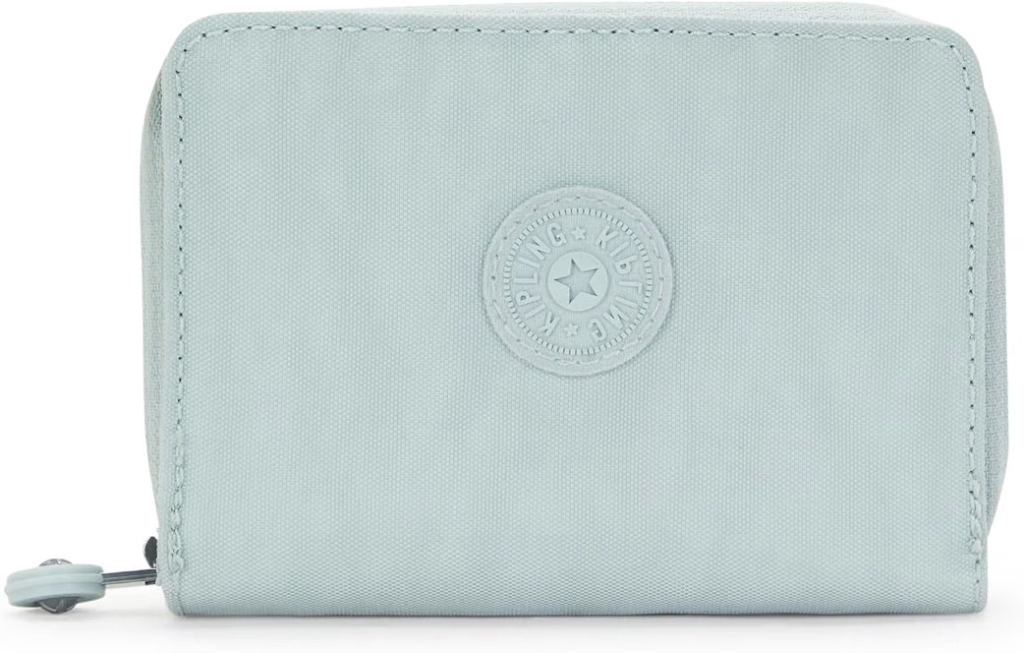
Pack:
- Passport with sufficient validity for your trip
- Visa or entry documentation, if required for your nationality
- Flight confirmations and boarding passes
- Hotel or accommodation confirmations
- Travel insurance information
- Return or onward travel details
- Driver’s license if renting a vehicle
- Wallet
- Credit and debit cards
- Some Mexican pesos for smaller purchases and incidental expenses
- Copies of important travel documents
- Emergency contact information
- Any necessary prescription documentation
- Writing pen for travel forms and other paperwork
Mexico’s official currency is the Mexican peso (MXN). Although US dollars are accepted in some popular tourist destinations, having Mexican pesos is particularly useful for markets, smaller restaurants, local transportation, tips, and purchases outside resort areas.
Keep important documents, medications, money, and valuables in your personal item.
Luggage & Organization
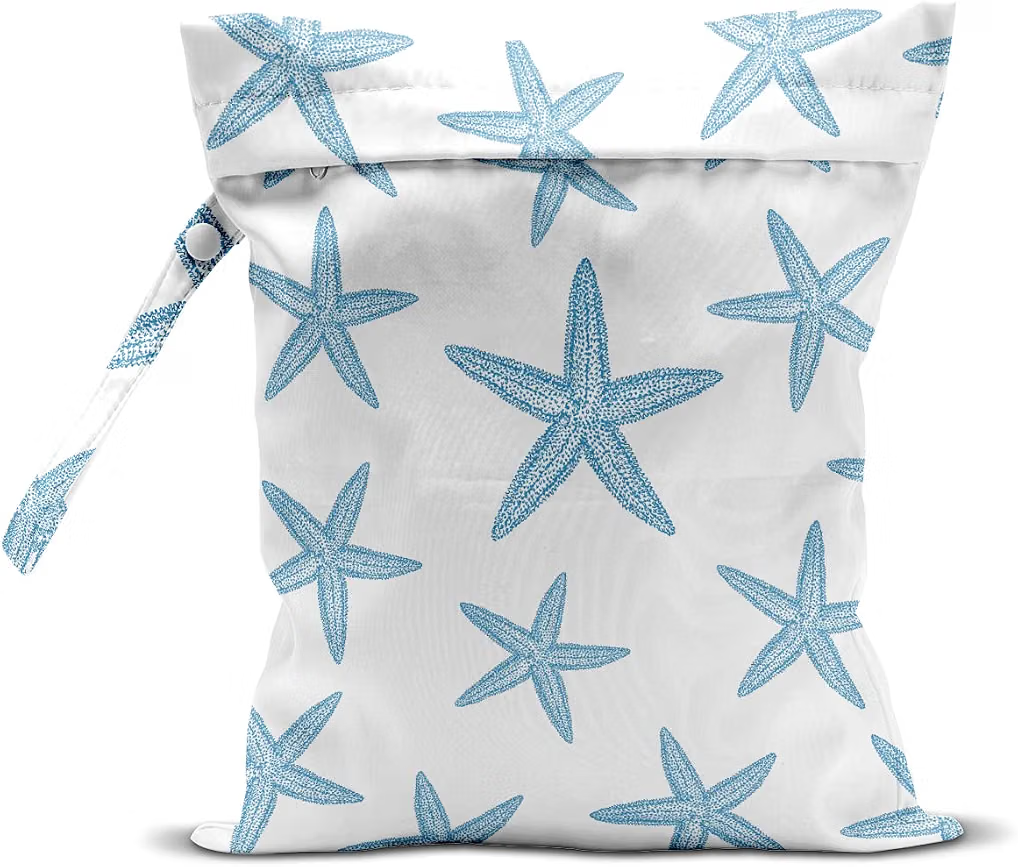
Pack:
- Carry-on suitcase
- Personal item that fits beneath the airplane seat
- Compression packing cubes
- Small jewelry or accessory organizer
- Reusable shopping bag
- Luggage tag
- Wet bag for damp or messy items
- Lightweight shoe bags
- Small zippered pouch for tickets, receipts, and loose travel documents
Packing cubes are especially helpful when traveling between multiple destinations, and a wet bag is invaluable if you’re planning beach days, cenote visits, or swimming excursions.
Remember that compression packing cubes save space, not weight. Check your airline’s carry-on allowances before departure.
Tech & Power
Mexico uses Type A and Type B electrical outlets, with 127V electricity and a frequency of 60Hz.
Travelers from countries with different electrical systems or plug types should check their electronics before departure.
For the complete breakdown, see my What Plug Do I Need in Mexico? Complete Adapter & Voltage Guide.

Pack:
- Universal power adapter
- Multi-port USB charger
- Camera
- Portable power bank
- Travel Power Strip
- Extra charger cables
- Earbuds or headphones for planes, trains, and long transit days
- Tech Organizer Case
- Cell Phone (set up an international plan with your provider before you go, or buy a SIM/eSIM for Mexico)
- If you’re packing single-voltage electronics like heating pads, hair styling tools, or an electric kettle you’ll need a step-up voltage converter if you’re traveling from a higher voltage country
- Optional: Laptop or Chromebook or Tablet (for work if you must and/or easy entertainment in your own language)
- Optional: Kindle or other e-reader (not sure if Kindle is good for you? Check out my full article about how it’s a perfect travel companion)
A power bank is particularly useful for long excursions to archaeological sites, navigating unfamiliar cities, boat trips, photography, and full days away from your accommodation.
Keep power banks in cabin baggage and follow your airline’s lithium battery regulations.
Toiletries & Health
Mexico’s winter sunshine, tropical climate, outdoor activities, and frequent opportunities for swimming make sun protection and personal care particularly important.

Pack:
- Shampoo + Conditioner + Hair masks and /or Olaplex (these are easiest transported in cadence capsules or as solids)
- Toothbrush + toothpaste + mouthwash + floss (travel solids are easiest for these I still pack them in cadence capsules) It’s also a good idea to bring a couple of on the go toothbrushes for long travel days/flights and/or day trips to stay feeling fresh
- Body wash and face wash as well as any other regularly used shower/bath accessories like salt scrubs, bath soaks, and mud in cadence capsules
- Skincare basics for body, hands, face, and feet as well as any daily facial routines like anti-aging serums in cadence capsules
- Deodorant (body deodorant is also recommended for long flights)
- Disposable shavers are easiest to use and leave behind instead of repacking, but be sure to bring at least 1 shaver
- Personal medications with labels
- Pain relievers and any other common OTC medications you use like ant-acids, anti-diarrhea and/or constipation relief, allergy pills, and common cold medicine
- Deep blue, salon-pas, and lidocaine patches are always helpful for unexpected pain from excessive walking, sitting or other activities done while traveling and especially helpful if you’re traveling with older ones
- Blister prevention (bandages or blister pads) and a simple first aid kit
- Sunscreen
- Lip balm
- After-sun lotion
- Hand sanitizer
- Compact wet wipes
- Toiletry Case
- Feminine products, even if you only might need them
- Electrolyte packets
- Insect repellent
- Bug bite relief
- Antifungal cream or powder if you are prone to irritation in humid weather
- Any preferred seasickness bands or remedies
- Optional earplugs
- Optional sleep mask
Solid toiletries and small reusable containers help conserve valuable liquid allowance space.
If you’re planning to swim in cenotes, marine parks, or protected natural areas, check their individual sunscreen and insect repellent rules. Some prohibit these products before entering the water, including certain products marketed as reef-safe.
Sun-protective clothing and rash guards are particularly useful for these activities.
Laundry Kit
You don’t need to pack fourteen completely different outfits for a two-week vacation.
Lightweight clothing that coordinates easily and can be worn more than once between washes is ideal for Mexico.

Pack:
- Travel-size laundry detergent sheets or liquid in a cadence capsule
- Sink stopper (optional, but helpful in older hotels) or mini travel washer
- A few clothespins or a lightweight travel clothesline
- Clothes refresher spray can be used daily to refresh your clothing between washes
- Small stain-removal pen or wipes
- Separate wet bag for damp clothing or swimsuits
What to Know About Laundry in Mexico
Although winter is generally less humid than summer in many tropical destinations, swimwear, towels, and heavier fabrics can still take longer to dry than expected.
Quick-drying clothing is especially practical if you’re swimming regularly or moving between destinations.
For a two-week vacation, plan on a quick sink wash around the middle of your trip for underwear and other lightweight essentials.
For longer stays approaching a month, plan on one or two proper laundry loads, supplemented by occasional sink washing.
Depending on your accommodation, laundry options include:
- Washing small items in your hotel sink
- Guest laundry facilities
- Washing machines in vacation rentals
- Local laundromats or lavanderías
- Hotel laundry services
You don’t need to spend your vacation constantly washing clothes.
Allow damp clothing and swimwear to dry completely before packing them away whenever possible.
Day Bag Essentials
Whether you’re heading to the beach, exploring Chichén Itzá, wandering through colorful colonial streets, visiting cenotes, or joining a whale-watching excursion, a well-organized day bag makes exploring Mexico considerably easier.

Pack:
- Lightweight backpack or secure crossbody bag
- Reusable water bottle
- Sunglasses
- Sun hat with real coverage
- Sunscreen
- Lip balm
- Insect repellent
- Anti-itch treatment
- Compact rain jacket, rain poncho, or small umbrella
- Packable quick-dry towel
- Lavalava, sarong, or lightweight cover-up
- Lightweight shirt or dress to place over swimwear
- Waterproof phone pouch
- Small dry bag
- Small wet bag
- Power bank
- Tissues or handkerchief
- Wet wipes
- Hand sanitizer
- Small snack
- Motion-sickness medication for boat excursions
- Lightweight cardigan, overshirt, or long-sleeve layer
- Optional snorkeling mask
- Optional reef shoes or water shoes
- Optional binoculars
- Optional handheld or neck fan
- Optional small flashlight
For cenote visits, boat trips, and snorkeling excursions, waterproof protection for your valuables is especially useful.
Most snorkeling and scuba diving operators provide or rent equipment, so you don’t necessarily need to bring bulky equipment from home.
Jump to the Packing List You Need
Women
Clothing
Mexico’s tropical destinations are perfect for lightweight dresses, breathable fabrics, relaxed resort clothing, and versatile outfits that work for sightseeing and evening dining.
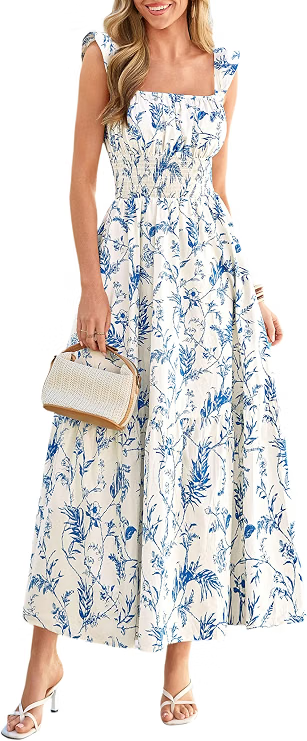
Pack:
- 4–5 breathable tops
- 1–2 lightweight long-sleeve tops
- 2–3 pairs of shorts or lightweight skirts
- 1 pair of lightweight pants
- 1–2 airy dresses
- 1 lightweight cardigan, overshirt, or wrap
- 1 packable rain jacket, or rain poncho
- 2 swimsuits
- 1 swimsuit cover-up
- 1 sarong
- 1 rash guard
- 1–2 sleep sets or nightgowns
- 6–7 pairs of underwear
- 2 bras
- 3-4 pairs of socks
Lightweight dresses are particularly convenient for Mexico because they work for sightseeing, shopping, resort dining, and casual evenings.
Choose at least one outfit that covers your shoulders and knees if you plan to visit churches or religious sites.
A light cardigan or sweater is useful for cooler inland evenings, breezy coastal dinners, and air-conditioned transportation.
Shoes
Pack:
- 1 pair of comfortable walking sneakers
- 1 pair of supportive walking sandals
- 1 pair of flip-flops or slides
- 1 pair of water shoes or reef shoes
Comfortable walking shoes are especially important for archaeological sites, cobblestone streets, and uneven paths.
Water shoes are useful for cenotes, rocky swimming areas, and certain water-based excursions.
Wear your bulkiest shoes during your flight to conserve suitcase space.
Accessories
Pack:
- Compact crossbody bag
- Travel make-up stack, eyeliner and mascara
- Makeup remover
- Regular facial skincare
- Small hair brush
- Hair ties or clips
- Simple jewelry
- Sun hat
- Sunglasses
Keep expensive jewelry and unnecessary valuables at home, especially if you’re planning frequent swimming or outdoor activities.
Men
Clothing
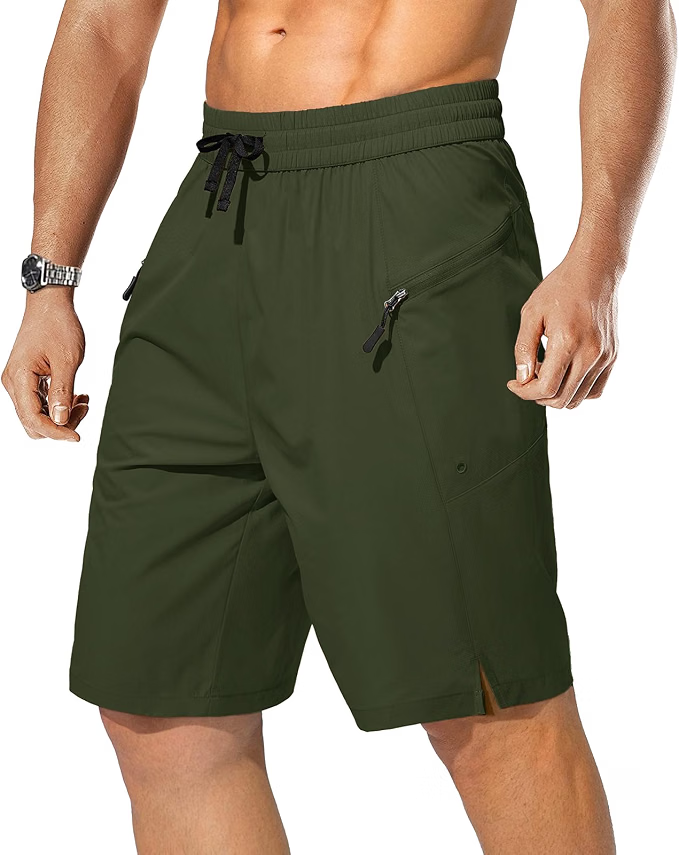
Lightweight, breathable clothing works beautifully for Mexico’s tropical and temperate winter destinations.
Pack:
- 4–5 breathable shirts
- 1 long-sleeve shirts
- 1 linen or lightweight button-down shirt
- 2–3 pairs of shorts
- 1 pair of lightweight pants or travel trousers
- 1 light sweater, hoodie, or overshirt
- 1 packable rain jacket or poncho
- 2 pairs of swim trunks
- 1 rash guard
- 1 lavalava
- 1–2 sleep sets
- 6–7 pairs of underwear
- 4–5 pairs of socks
A lightweight button-down shirt and comfortable trousers are useful for nicer restaurants, resort dining, and cultural attractions.
For everyday sightseeing and beach vacations, breathable shirts and shorts will be your primary wardrobe.
Shoes
Pack:
- 1 pair of comfortable walking sneakers
- 1 pair of secure supportive sandals
- 1 pair of flip-flops or slides
- 1 pair of water shoes or reef shoes
Choose shoes that work for both relaxed vacation days and longer sightseeing excursions.
Check your resort’s restaurant dress requirements before deciding whether additional footwear is necessary.
Extras
Pack:
Girls

Clothing
Pack:
- 4–5 lightweight short-sleeve tops
- 1–2 breathable long-sleeve tops
- 3–4 pairs of shorts, or skirts
- 1 pair of pants
- 1–2 breathable dresses
- 1 light cardigan, hoodie, or overshirt
- 1 packable rain jacket or poncho
- 2 swimsuits
- 1 swimsuit cover-up
- 1 rash guard
- 1–2 sleep sets
- 6–7 pairs of underwear
- 3–4 pairs of socks
Choose comfortable, quick-drying clothing that allows children to move freely during beach days, sightseeing, and outdoor adventures.
For younger children, an additional spare outfit is helpful.
Shoes
Pack:
- 1 pair of comfortable walking sneakers
- 1 pair of secure sandals
- 1 pair of flip-flops or slides
- 1 pair of water shoes
Extras
Pack:
Keep a complete change of clothing accessible during flights and longer travel days.
Boys

Clothing
Pack:
- 4–5 lightweight short-sleeve tops
- 1–2 breathable long-sleeve tops
- 3–4 pairs of shorts
- 1–2 pairs of lightweight pants or joggers
- 1 light hoodie or overshirt
- 1 packable rain jacket or poncho
- 2 pairs of swim trunks
- 1 rash guard
- 1–2 sleep sets
- 6–7 pairs of underwear
- 3–4 pairs of socks
Lightweight clothing that can handle swimming, outdoor play, archaeological sites, sightseeing, and occasional washing is ideal.
Rash guards are especially useful for children spending extended periods in the water.
Shoes
Pack:
- 1 pair of comfortable walking sneakers
- 1 pair of secure sandals
- 1 pair of flip-flops or slides
- 1 pair of water shoes
Extras
Pack:
A few familiar entertainment options make long flights, airport connections, and quieter evenings easier.
Optional Cold-Weather Add-On: Northern Mexico & Mountain Regions
Most travelers visiting Mexico during winter will not need heavy winter clothing.
However, if your itinerary includes colder parts of northern Mexico, higher elevations in Chihuahua or Durango, the upper elevations around Copper Canyon, or mountain excursions near Toluca and other high-altitude destinations, you may encounter considerably colder conditions.
Even when nearby towns are comfortably warm, higher mountain elevations can experience strong winds, freezing temperatures, frost, and snow.
For colder destinations, consider substituting some of your lightweight clothing for:
- Packable insulated jacket
- Warmer sweater or fleece
- Thermal base layers
- Warmer trousers
- Warm hat
- Gloves
- 1–2 pairs of warm wool socks
- Water-resistant footwear with good traction
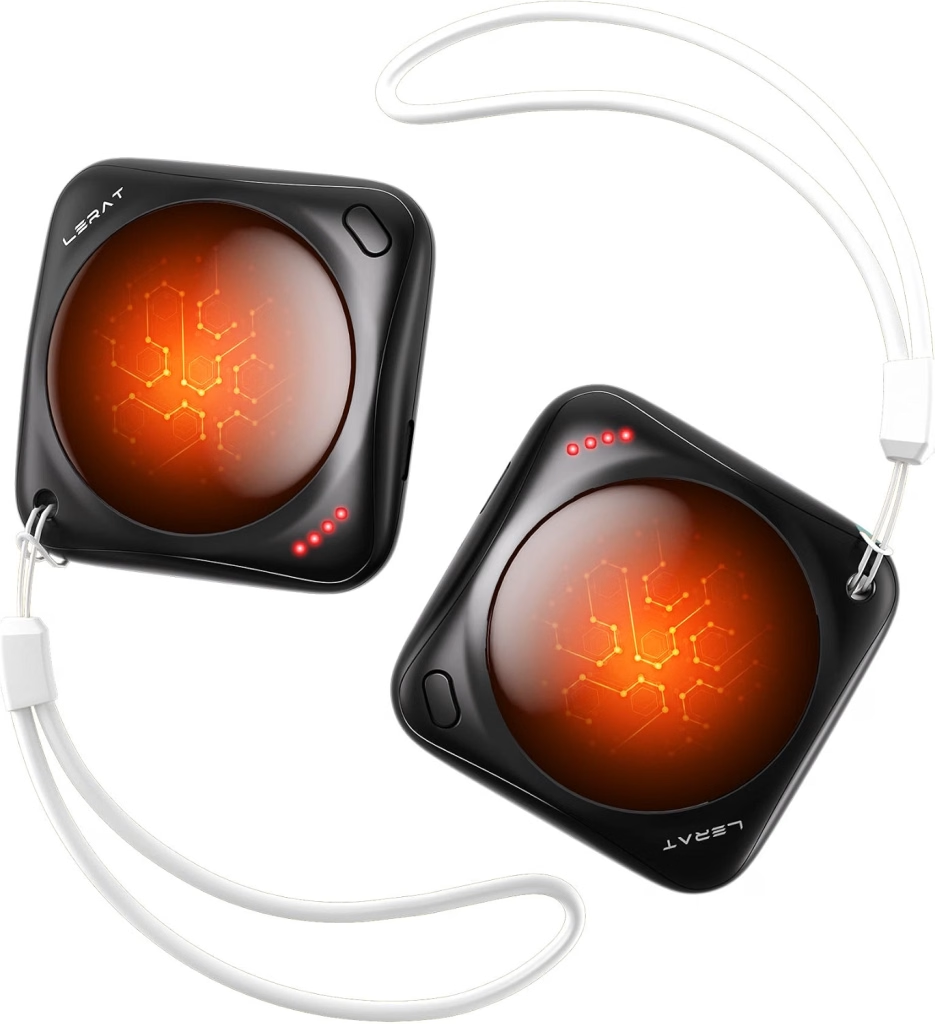
- Optional: Hand warmers
For ordinary sightseeing in Mexico’s temperate inland cities, your regular layering pieces will generally be enough, though check overnight temperatures before departure.
If you’re planning actual high-altitude hiking, mountaineering, or snow-based activities, check the specific conditions and equipment requirements with your guide or activity provider.
Carry-on rule: Don’t rebuild your entire suitcase for one colder destination. Substitute clothing and add only the additional layers your itinerary genuinely requires.
Things Nobody Tells You About Packing for Mexico in Winter
Winter Doesn’t Mean You Can Skip Sun Protection
Mexico’s tropical winter weather can feel so comfortable that it’s easy to underestimate the strength of the sunshine.
Beach days, archaeological sites, boat excursions, and outdoor sightseeing can all involve hours of sun exposure.
Many archaeological sites have limited shade, making a good sun hat, sunscreen, sunglasses, and drinking water particularly important.
Cenotes Have Their Own Packing Considerations

Swimming in Mexico’s cenotes is a wonderful experience, but it isn’t quite the same as swimming in a hotel pool.
Some cenotes have rocky entrances, slippery steps, deep water, or cooler water temperatures than you might expect.
Water shoes, a waterproof phone pouch, a quick-dry towel, and a rash guard are useful additions.
Some cenotes require visitors to shower before entering the water and prohibit sunscreen, insect repellent, and other personal-care products. Life jackets are also required at certain locations.
Check the individual site’s rules before visiting.
Be Mindful of Drinking Water
Tap water in Mexico is generally not recommended for drinking unless it has been properly purified and confirmed safe.
Use bottled or reliably purified drinking water, including when brushing your teeth where the local water supply is not safe.
Many hotels and resorts provide purified drinking water, and a reusable water bottle is useful wherever safe refill stations are available.
Keep electrolyte packets and oral rehydration salts available, particularly if you’re spending long days outdoors.
Winter Can Still Bring Windy Days and Rough Seas
Although winter is generally a wonderful time to enjoy Mexico’s beaches, occasional northern cold fronts can bring stronger winds, cooler temperatures, and rougher seas.
Boat excursions, snorkeling trips, and ferry services can sometimes be affected.
If water-based activities are an important part of your vacation, avoid scheduling all of them for your final day.
Always follow local beach flags, swimming warnings, and the advice of qualified excursion operators.
The Ocean Can Feel Cooler Than It Does in Summer
The Mexican Caribbean remains pleasantly warm throughout winter, but ocean temperatures are generally cooler than during summer.
Pacific destinations can have more noticeable seasonal differences, particularly around the Baja California Peninsula.
If you’re planning extended snorkeling sessions or scuba diving excursions, ask your operator whether a lightweight wetsuit is recommended.
You don’t necessarily need to bring one from home.
Mosquitoes Don’t Disappear During Winter
Even during the drier months, mosquitoes and other biting insects can still be present around gardens, jungle areas, mangroves, cenotes, and outdoor dining spaces.
Bring effective insect repellent and lightweight long-sleeve clothing, especially if you’re planning nature excursions.
Resort Restaurants Aren’t Always Beach Casual
Mexico offers everything from relaxed beachfront restaurants and street food markets to elegant dining experiences and upscale all-inclusive resorts.
Some resort restaurants require smart-casual clothing, long trousers, or closed-toe shoes.
One or two versatile evening outfits are enough for most travelers. Check your accommodation’s dress requirements before packing anything more formal.
Comfortable Walking Shoes Are Worth the Space
Mexico offers considerably more than beaches.
Ancient ruins, colonial cities, traditional markets, nature reserves, and cultural attractions often involve uneven paths, cobblestones, stairs, and considerable walking.
Even if you’re primarily planning a beach vacation, bring a comfortable pair of closed-toe walking shoes.
Your flip-flops are wonderful for the pool — considerably less wonderful after several hours exploring ancient ruins.
Final Thoughts
Winter is a beautiful time to experience Mexico.
Whether you’re relaxing along the Riviera Maya, swimming in cenotes, enjoying the beaches of Puerto Vallarta, watching whales in Los Cabos, exploring Mexico City’s museums, or discovering the colorful streets and incredible food of Oaxaca, you don’t need an enormous suitcase to enjoy everything Mexico has to offer.
For most winter vacations, breathable clothing, swimwear, reliable sun protection, comfortable walking shoes, and a few lightweight layers are all you need.
Adjust for colder inland or mountain destinations only if they’re actually part of your itinerary.
Pack thoughtfully, leave yourself a little room for souvenirs, and enjoy Mexico’s beautiful winter weather without dragging around more luggage than you need.
Happy travels! ♥