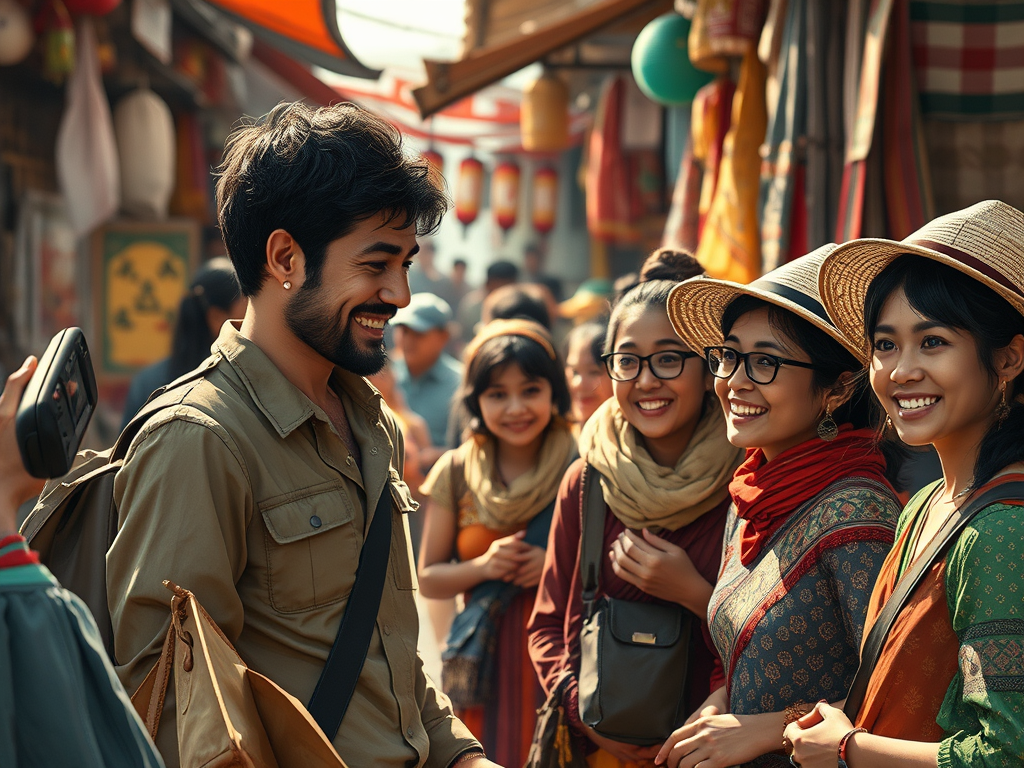
Traveling is one of the most enriching experiences life has to offer. However, with great travel comes great responsibility—especially when it involves respecting the cultures and customs of the places we visit. One of the best tips I can offer is to start with research and lead with genuine curiosity and kindness.
1. Do Your Homework Before You Go
Every country—and often every region—has its own set of unwritten rules and expectations that can significantly impact your travel experience. What’s perfectly polite in one place could be incredibly rude in another, leading to misunderstandings that may create an uncomfortable situation. Before you travel, take the time to learn the absolute dos and don’ts of your destination to ensure a smoother interaction with locals. Is tipping considered rude, even in a fine dining establishment? Should you remove your shoes indoors as a sign of respect? Is public affection frowned upon, particularly in conservative areas? These little details matter—and show locals that you care enough to be considerate and open-minded. Moreover, understanding these social nuances can enrich your experience, allowing you to engage with the culture on a deeper level and create meaningful connections that transcend language barriers.

2. Talk to the Locals—And Listen
People generally love to talk about themselves, their culture, and their country—and that’s a beautiful thing. When you’re out and about, don’t be afraid to ask friendly questions like:
- “What’s your favorite local food?”
- “Are there any festivals or traditions your family celebrates?”
- “Is there a special place here you think I should see?”
These kinds of questions open doors. You’ll learn so much more than you would from a guidebook. You’ll discover hidden gems, pick up small but meaningful customs, and maybe even gain a new perspective on life. Sometimes, these moments spark lifelong friendships or become the highlight of your trip.
While in Montenegro, I had an extremely memorable lunch exchange with our server. We had the local cheese, pizza, bread, and wine, which were such a delight. If you have not yet had burrata, you really need to try it! By the end of the meal, after many fun conversations, he knew how much I valued trying the local delights. He insisted I take part in their after-dinner digestive drink called Rakija, which is part of their custom. I was delighted by the suggestion and thoroughly amused at the funny names some of the flavors had. Afterwards, he asked to exchange a US $1 bill for €1 Euro because US $1 dollar bills are considered extremely lucky to them. I was relieved that I still had a US dollar on me for him as that was towards the end of our trip. He was so thrilled. I will never forget it.

3. Speak the Language—Even Just a Little
Learning just a few basic phrases in the local language can go a long way. Simple greetings, “please,” “thank you,” and “excuse me” show that you’re trying, and that effort is almost always appreciated. Even if your pronunciation is far from perfect, most people will smile at the gesture.
And if someone replies to you in English? Don’t take it personally—they’re probably just being kind and trying to make your experience easier. But when you speak to them in their language, you’re offering a small gift of respect. Your effort often makes for warmer, more helpful interactions.

Try doing some lessons on Duolingo or Rosetta Stone in the languages of the country or countries you are visiting before you go on your trip. Even if you already know the language a bit from previous study, give yourself a refresher on it. I personally failed to refresh myself on my Japanese before going to Japan. As a result, I struggled much more. I would have had an easier time if I had taken a little time to brush up before landing in Tokyo.
If you find yourself on a last minute journey, don’t worry. You might not have had time to learn the language in advance. Don’t be afraid to ask the locals to teach you some common words! As long as they aren’t busy when you ask, most of them are happy to help. They will teach you at least how to respectfully say hello and thank you in their native tongue.
Keep in mind that while English is commonly taught in most schools around the world, not everyone speaks it. Don’t expect people to magically speak English for you in a non-English-speaking country. Be prepared to communicate with them in their own language. Have a phone with a translation app like Google Translate. This app saved me through a purchase issue that came up in South Korea. At the time I only knew how to say hello (annyeonghaseyo), thank you (gamsahamnida), and kimchi. Google translate saved me and the sweet Korean lady helping me many frustrations. Bring some translation headphones. Pack a language basics with photos book. This way, you won’t find yourself stuck and unable to communicate.

4. Be Open to Expanding Your View
Respecting local culture isn’t just about manners—it’s about growth. Immerse yourself in new customs. Listen deeply and open your heart to how others live. You’re not only honoring them but enriching yourself. These connections and experiences often become the most meaningful parts of any adventure.
In short: Research the basics, show up with curiosity, speak kindly (and try the language!), ask questions, and stay open. Travel is about more than just seeing new places—it’s about becoming someone better because of them.
What are some of the best cultural tips you’ve learned from traveling? Share them below—I’d love to hear your stories.