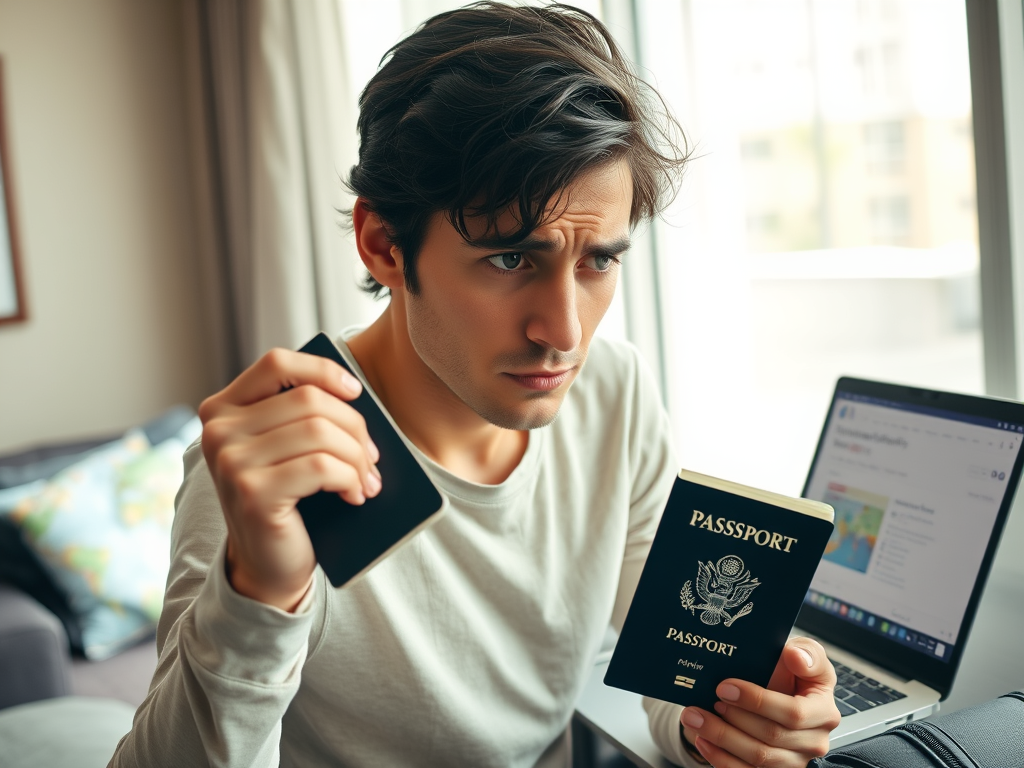
What to Do If You Lose Your Passport or ID: A Step-by-Step Guide
Losing your passport or ID can be stressful, especially if you’re traveling. But don’t panic—there’s a process to follow that can help you stay safe, protect your identity, and get replacements as quickly as possible. Here’s a step-by-step guide to help you through it:
Step 1: Stay Calm and Recheck
Before jumping to conclusions, take a deep breath and:
- Recheck your bags, pockets, hotel room, or wherever you last remember using it.
- Call or revisit the places you’ve recently been (restaurants, attractions, airports, etc.).
- Ask hotel staff, airline personnel, or nearby businesses if someone turned it in.
Sometimes, it’s just misplaced—not lost for good.
Step 2: Report the Loss
If you’re at home (in your home country):
- Contact your local police and file a report. This can help protect you from identity theft and may be required when applying for a replacement.
- For a passport, notify your country’s passport agency immediately.
If you’re traveling abroad:
- Find the nearest embassy or consulate of your home country.
- Report the lost passport and follow their guidance to get a temporary travel document.
- File a police report—many embassies will require this as part of the replacement process.

Step 3: Protect Yourself from Identity Theft
Once your ID or passport is missing, your personal information could be at risk. Here’s how to protect yourself:
- Report the loss to your country’s identity protection or fraud alert service (e.g., in the U.S., contact the FTC and place a fraud alert with credit bureaus).
- Monitor your credit report for suspicious activity.
- Alert your bank if your ID contained sensitive details or if you lost it with your wallet/cards.
Step 4: Apply for a Replacement
For a Lost Passport:
- Check your country’s official website for replacing a lost passport.
- Typically, you’ll need:
- A passport photo
- A completed application form
- Proof of identity and citizenship (e.g., birth certificate or copy of your lost passport, if you have one)
- Police report or loss declaration
- Payment for fees
For a Lost ID (Driver’s License or National ID):
- Visit your local DMV or government agency responsible for issuing IDs.
- You may need:
- Proof of residence
- Another form of ID (if available)
- Police report (sometimes required)
- Payment for replacement
Step 5: Get a Temporary ID or Passport (If Needed)
If you’re abroad or need identification urgently:
- Ask your embassy about emergency travel documents that allow you to return home.
- Some countries offer temporary IDs or expedited processing.
Step 6: Update Any Accounts or Registrations
After you get your new ID or passport:
- Update your travel documents, work records, and any services that used your old ID/passport number.
- Cancel the old document officially if required—some countries issue a “cancelled” status to prevent misuse.
Bonus Tips for the Future
- Make copies of your passport and ID and store them separately or digitally (e.g., in a secure cloud service or email).
- Use RFID-blocking holders to protect against digital theft.
- Leave a copy with someone you trust at home in case you need it sent to you.
Losing important documents is a headache, but following the right steps can get you back on track quickly. Stay calm, act fast, and protect yourself moving forward. Safe travels!